
Gray Hair After Chemotherapy: Causes, Care, and Tips
After chemotherapy, many things in the body can change, including the hair. Some report that their hair grows back gray or even white after chemo, and that's exactly what this guide is about: Why do some people's hair stay gray after chemo, how do you best care for hair and scalp, and when can you color your hair again after chemotherapy?
Let's start with the central question:
Why does hair turn gray after chemotherapy?
Chemotherapy specifically attacks rapidly dividing cells – including hair follicles. This can temporarily lead to hair loss. When hair follicles regenerate, hair often grows back differently than before. This can manifest in color, texture, or density.
Possible reasons for gray hair after chemotherapy:
- Loss of melanin production: Melanin is the pigment that gives our hair its color. Chemotherapy can impair melanin production, causing gray or white hair to grow back.
- Aging processes: In some people who are at an age where hair naturally starts to gray during or after chemotherapy, chemotherapy may accelerate this natural process.
- Stress: Physical and emotional stress during chemotherapy can also affect hair color.
Can you prevent hair from growing back gray?
There are no sure methods to completely prevent gray hair after chemotherapy. However, you can take some supportive measures to promote the vitality of your hair and scalp:
Learn more
Will my hair stay gray after chemotherapy?
Whether the grey color is permanent varies from person to person. For some people, their original hair color returns after some time, while others find that the grey hairs remain. This depends on several factors, including:
Learn more
How long does it take for hair to grow back normally?
Hair growth after chemotherapy occurs in phases. It usually takes about 3 to 6 weeks after the last treatment for the first hairs to grow back.
Learn more
Can gray hair be "reversed" after chemotherapy?
There's no guarantee that gray hair will return to its original color after chemotherapy. However, some people report that their hair color regenerates over time.
Learn more
What can be done to prevent hair from growing back gray after chemo?
While graying hair cannot be completely prevented, there are supportive measures you can take:
- Nutrient-rich diet: A balanced diet with plenty of fruits, vegetables, and sufficient protein can strengthen hair follicles.
- Gentle hair and scalp care: Avoid harsh hair products and opt for mild, natural shampoos and conditioners.
- Stress reduction: Various relaxation techniques such as meditation, scalp massages, or breathing exercises can help lower stress levels, which can impact hair growth.
Do hairs remain gray after chemotherapy?
Factors that can influence whether hair remains grey after chemo or regrows in its original color:
- Age: Younger people have a higher chance of their original hair color returning.
- Genetics: Predisposition to graying plays a significant role.
- Duration and intensity of chemotherapy: Longer or more intense treatment can increase the likelihood of hair remaining gray.

How long does it take for hair to grow back?
However, full hair regrowth can take 6 to 12 months or longer. During this time, hair color, texture, and thickness may still change.
Important to know: The first hair to regrow after chemotherapy is often different from the final result. It can take months for the hair's final color and texture to show.
Can gray hair be "reversed" after chemotherapy?
With holistic care for the scalp and hair, the hair can regain its balance. It can also optimally support vital hair growth after chemotherapy.
Dyeing your hair after chemo and radiation: What you should know
If you want to color your gray hair after chemotherapy, there are a few things to consider. The scalp is often sensitive after chemo, and hair can be more brittle than before.
When can you color your hair again?
- Observe waiting period: It is recommended to wait at least 6 months after completing chemotherapy before using chemical hair dyes. This gives your scalp and hair enough time to recover.
- Speak to a specialist: Consult with a hair growth specialist or a doctor before coloring your hair to ensure it is safe for you.
Erfahrungsbericht
Pflegeverlauf
Tips for Hair Dyeing After Chemotherapy:
- Use gentle products: Opt for ammonia-free and plant-based hair dyes to protect your scalp.
- Test for skin compatibility: Perform an allergy test before dyeing, as your skin may be more sensitive than before.
- Seek professional help: Consult a specialist who explicitly focuses on supporting cancer patients during and after chemotherapy.
- Consider alternatives: If you're still unsure, try temporary solutions such as toners, color sprays, or wigs.
How to care for and keep gray hair vital after chemotherapy?
Grey hair requires special care because it is often drier and coarser than pigmented hair. Here are some tips for intensive care of your hair and scalp:

Moisturize
Use moisturizing and natural shampoos and conditioners.
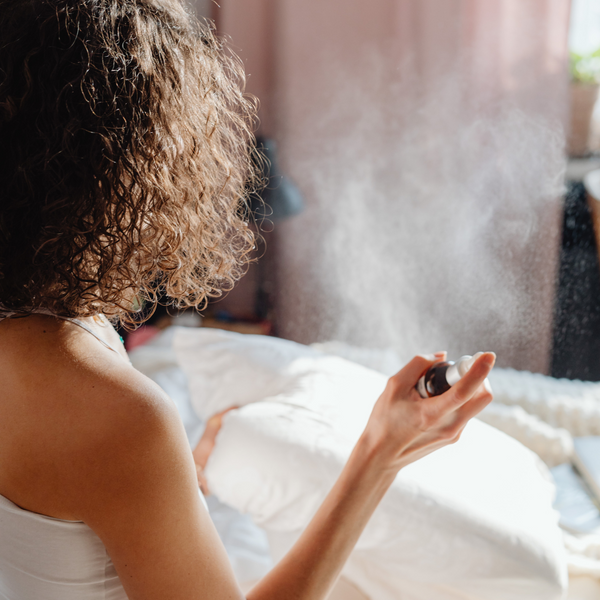
Use heat protection
Protect your hair from heat damage caused by blow dryers or flat irons.

Sun Protection
UV rays can turn gray hair yellowish. Use a UV protection hair product to shield your hair from the sun and preserve its natural color.
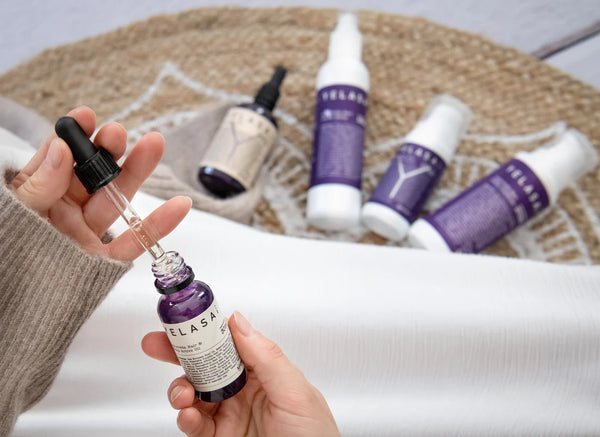
Using natural oils
Use natural scalp oils or tonics to intensively nourish and strengthen the scalp. This can promote hair growth and better support grey hair by supplying the scalp with important nutrients.
Your Partner for Vital Scalp Care After Chemotherapy
Do you wish for your hair to grow back fuller and stronger after chemotherapy? Then consult a hair growth specialist early on, who will create an individual care plan with you to promote the regeneration of your hair and scalp.
