During and after chemotherapy, the scalp needs especially gentle attention. YELASAI supports those affected with mild, hormone-free care lines, tailored sets and caring personal support from trained hair growth specialists, so that the scalp stays well cared for and regrowing hair finds good conditions.
Targeted support for hair growth with:
Chemotherapy and hair growth – professional support for your scalp
During chemotherapy, the medication specifically targets rapidly dividing cells in the body – and unfortunately, these include the hair. Because these cells are particularly sensitive, the first step is hair breakage, which appears as hair loss and often becomes visible just a few weeks after the start of treatment.
The hair loss usually affects scalp and body hair alike, as the medication interrupts the growth phase of the hair and the hair root is weakened. This is a temporary effect; once treatment has finished, the hair follicles can usually be reactivated so that new hair grows back.
Preserving your hair matters to us! That is why our hair growth specialists with the additional ONCOHAIRCARE qualification support you during oncological treatments such as chemotherapy and radiotherapy!

Naturally promoting hair growth during chemotherapy
To promote hair growth naturally, we take a holistic approach. We look not only at the hair but, above all, at the scalp and at the person as a whole.
Alongside hair and scalp care, we take targeted measures aimed at strengthening the hair cells naturally and supporting the growth processes. Your well-being is particularly important to us. We give you courage and energy to keep going, even through difficult phases. We are the feel-good factor, and this is an ideal setting for self-healing powers to be activated. It is now widely recognised that inner balance is an important factor in recovery.
Hair care before, during and after chemotherapy
Chemotherapy can trigger hair loss and put a heavy strain on the scalp. With targeted care and professional support, you can give hair growth and scalp health the best possible support.
-
Before Chemotherapy – Preventive Care
If cancer therapy is imminent, it is advisable to consult a specialist 2–3 weeks before it begins. Although hair loss cannot always be prevented by chemotherapeutic agents, the scalp can be kept supple and elastic.
With targeted Ayurvedic head massages, specially formulated care products, and gentle support for the hair follicle cells, a basis for hair growth can be created in consultation with a doctor.
-
Hair loss during chemotherapy
If hair loss is already occurring as a result of the chemotherapy drug or radiation, the specialists support you with individual measures. Gentle massage, targeted care products and stimulating treatments can help protect the hair follicles and improve the conditions for subsequent regrowth – even while treatment is ongoing.
-
After Chemotherapy – Regaining Your Hair
In up to 5% of cases, hair does not grow back even years after chemotherapy or radiation therapy. Active scalp care can support natural hair growth.
If, after chemotherapy, strong hair initially becomes thin, weak, or sparse again, continuous use of scalp care, massages, and suitable products can nourish the scalp and thus possibly stimulate hair growth again.
Most Popular Products During Chemotherapy
During and after chemotherapy, the scalp is particularly sensitive. Our products have been specially developed to care for the scalp, support hair follicles and promote natural hair growth – all without aggressive chemicals.
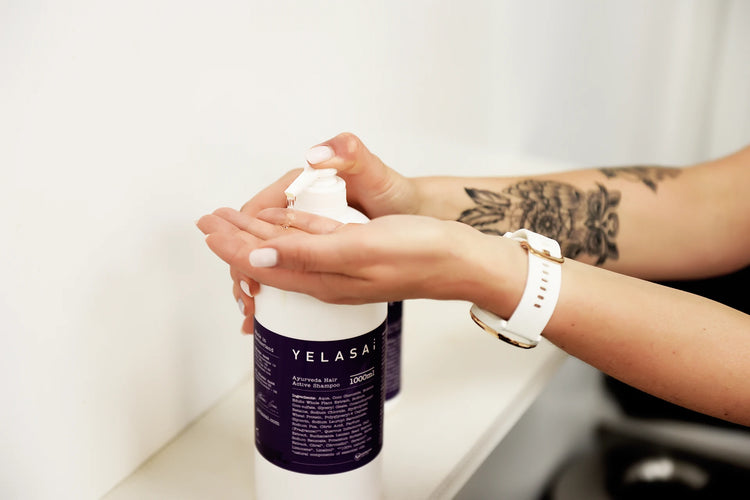
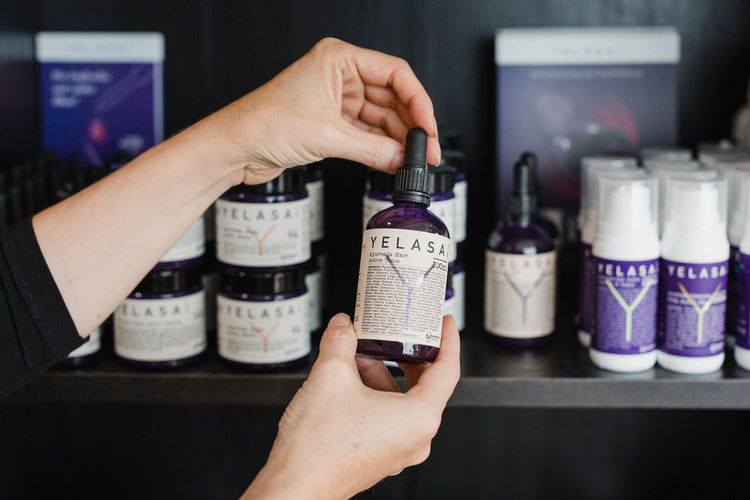
Our Hair Tonic can be applied directly to the scalp for gentle care. Additionally, the Hair Growth Spray soothes the scalp and supports follicle stimulation. For daily cleansing, the Anti-Hair Loss Shampoo is suitable, as it gently cleanses the scalp and maintains its balance, while the Anti-Hair Loss Conditioner nourishes the hair, adding softness and shine. The Scalp Oil can be used particularly effectively to stimulate the roots and counteract hair loss with targeted care.
The combination of these products creates a gentle, holistic care routine that supports the scalp and hair during chemotherapy, enhances well-being, and can promote hair regrowth.

- Regular price
-
£24.08 GBP - Regular price
-
£0.00 GBP - Selling price
-
£24.08 GBP - Unit price
-
£344.00 GBP per kg
- Regular price
-
£40.75 GBP - Regular price
-
£0.00 GBP - Selling price
-
£40.75 GBP - Unit price
-
£203.75 GBP per l
- Regular price
-
£152.83 GBP - Regular price
-
£0.00 GBP - Selling price
-
£152.83 GBP - Unit price
-
£1,886.79 GBP per kg
- Regular price
-
£23.16 GBP - Regular price
-
£0.00 GBP - Selling price
-
£23.16 GBP - Unit price
-
£115.80 GBP per l
- Regular price
-
£26.86 GBP - Regular price
-
£0.00 GBP - Selling price
-
£26.86 GBP - Unit price
-
£895.33 GBP per l
- Regular price
-
£117.63 GBP - Regular price
-
£0.00 GBP - Selling price
-
£117.63 GBP - Unit price
-
£1,176.30 GBP per l
Hair care during chemotherapy


ONCOHAIRCARE – hair care concept during chemotherapy
ONCOHAIRCARE is about more than just hair! With our initiative, we help empower patients to share responsibility competently for their care through information, campaigns and intensive networking.
Watch Ms Pfister's video here:

Care and styling during chemotherapy
During chemotherapy, the scalp is particularly sensitive. Shampoos or styling products containing harsh substances should be avoided to prevent further irritation and strain. Instead, it is advisable to use natural products that are gentle on the hair and scalp while caring for them at the same time.
For daily styling, suitable options include the natural hairspray, which gently holds while supporting the hair structure, and the natural hair gel, which is formulated for sensitive scalps and provides gentle hold. Both products allow gentle styling without weighing down the hair or scalp, so that you can feel well groomed despite hair loss.
-
A holistic approach, inside and out
During cancer treatment, the body and hair often change noticeably. A holistic approach therefore takes into account both mindful care of the scalp from the outside and support from within – especially through a balanced, nutrient-rich diet.
A varied diet with fresh, high-quality foods can help to support the body as well as possible during this special phase. Certain minerals, trace elements and vitamins such as zinc, iron, selenium, vitamin H (biotin) and amino acids play a role in many metabolic processes in the body and can also be important for the hair structure.
The focus is always on individual well-being – complementary measures should ideally be agreed with your treating doctor in order to support the therapy in the best possible way.
-
Psychological factors
Alongside physical support, psychological factors also play an important role. Worries and fears can affect the healing and growth process. It is therefore important to consciously notice the changes in your body and hair and to accompany the process with patience.
The right combination of inner strengthening and outer care can positively support the effect of the measures on the scalp and hair follicles and promote natural growth, while the hair gradually becomes thicker and stronger again.

- Regular price
-
£232.95 GBP - Regular price
-
- Selling price
-
£232.95 GBP


Hair Care for Children During Chemotherapy
Especially for children, gentle and delicate care for hair and scalp during and after cancer therapy is crucial. Special care products can promote the sensitive scalp and its natural balance and gently counteract hair loss.
For younger patients, we recommend the Hair Care Set for Children During Chemotherapy. For adolescents and adults, tailored sets are available for different hair types: the Hair Care Set for Adolescents & Adults During Chemotherapy for Short Hair and the Hair Care Set for Adolescents & Adults During Chemotherapy for Long Hair.
These recommendations are free from aggressive ingredients, gently nourish the scalp, and can be part of an irritant-free scalp care routine.
Thin eyelashes and eyebrows after chemotherapy
After treatment for cancer, not only head hair but also beard hair, eyelashes and eyebrows are often affected by hair loss.
Our hormone-free eyelash serum is suitable for gently and safely supporting eyelashes and eyebrows. It can help to gently stimulate the growth and structure of fine hairs without disturbing the body's balance, and can thus support the natural regeneration of eyelashes during treatment.
Frequent Questions About Hair Growth After Chemo
How fast does hair grow after chemotherapy?
After chemotherapy, hair usually starts to grow back within a few weeks of treatment completion. The first hairs are often fine and soft; later, they become thicker and denser. The speed and density depend on the type of therapy and the individual reaction of the hair follicles.
Can I prevent hair loss from chemotherapy?
For many people, hair loss is one of the most emotionally difficult consequences of chemotherapy. It is important to know: you are not alone, and you do not have to "just put up with" this phase.
Chemotherapy can trigger hair loss because the medication also affects rapidly dividing cells. Depending on the treatment plan, these include cells in the hair roots. In most cases, hair loss cannot be prevented completely, and its course and timing vary from person to person.
What can help during this time is very gentle, non-irritating scalp care and mindful, light stimulation – not as a "miracle solution", but as support for how your scalp feels and for your well-being. Many people affected find a regular routine calming: it can make feelings of tension, dryness or sensitivity more comfortable and give back a sense of control and self-care.
In most cases, customers report noticing the first fine hairs early on. However, this varies from person to person and cannot be influenced or guaranteed. Every hair's development depends heavily on the type of therapy, the timing and your personal situation.
What kind of care is recommended during therapy?
Avoid harsh shampoos or styling products. Gentle care that is kind to the scalp, revitalises it and supports the hair follicles can help keep the scalp healthy and make it easier for the hair to grow back.
When can I expect to see hair growth?
The first hairs often appear 40–70 days after the first chemotherapy session. Density, hair thickness and volume develop over the following months. Regular care and gentle stimulation of the scalp can positively support this process.